
Product details
Explore product information.
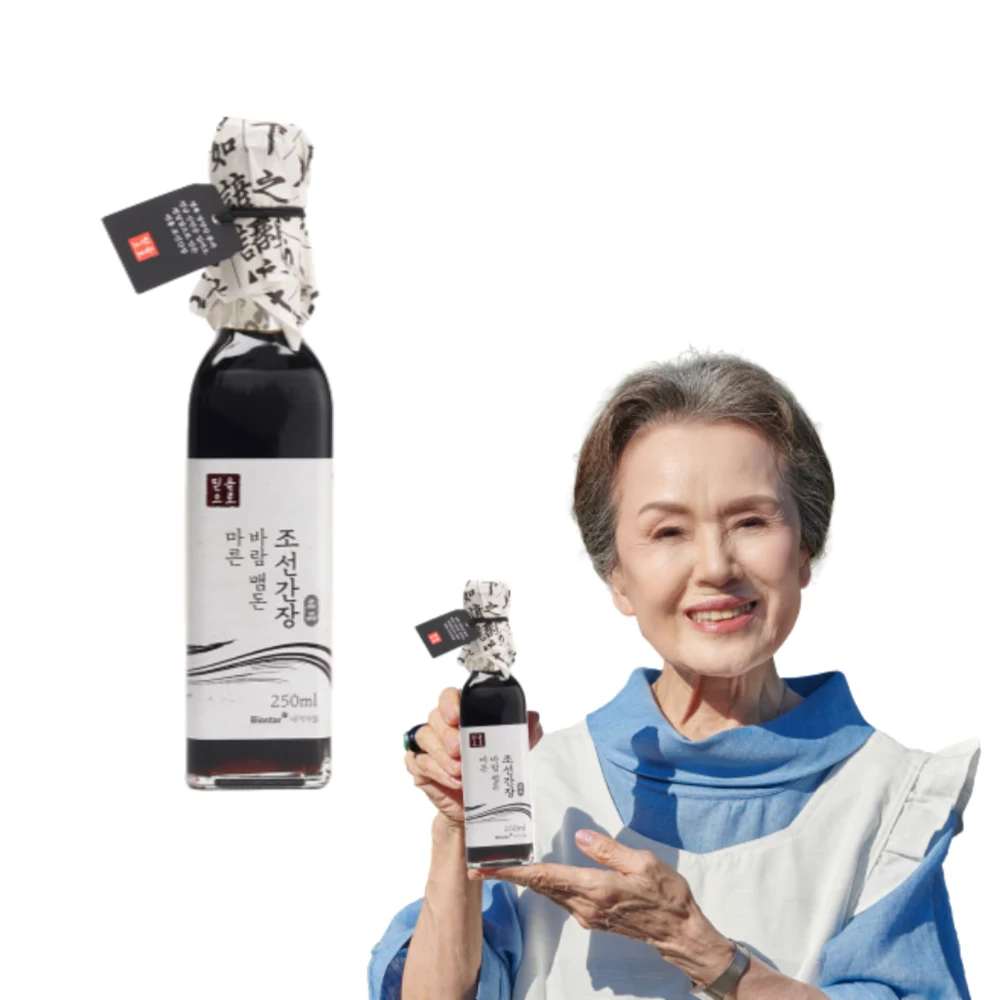
BS7662169508
Mideumeuro Traditional Korean Soy Sauce 250 ml — aged at low temperature
US pricing and availability are being finalized.
Product information
The materials below describe the Korean-market product. US labeling, ingredients, claims and availability are still under review. Korean certifications and SPF labeling do not establish US FDA approval. English references are provided below; source claims that require further review are withheld from the US presentation.
Mideumeuro Traditional Korean Soy Sauce 250 ml — aged at low temperature
Sales composition: 250ml
Shipping cost 3,000 won · Free shipping when purchasing fermented foods, beverages, and health functional foods totaling 30,000 won or more
US edition · product referenceUS ordering, delivery and returns are being finalized. No orders or payments are accepted during this preview. See Shipping & Returns for the current status. US edition · product referenceServing suggestion: a pan of stir-fried meat and vegetables.US edition · product referenceMideumeuro — Biostar’s premium fermented-food brand. Traditional Korean soy sauce, shaped by time and a dry breeze.
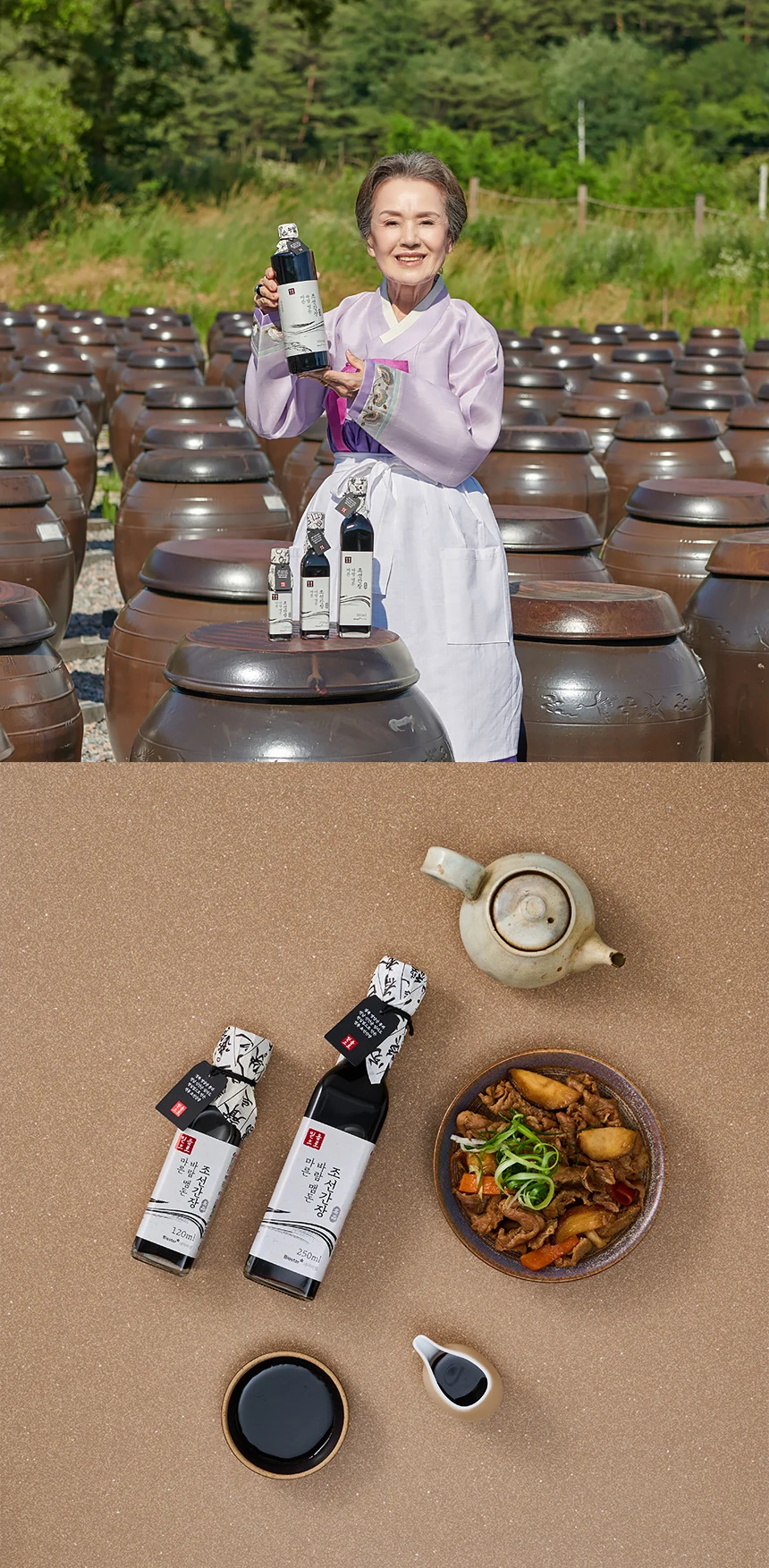 US edition · product referenceTraditional onggi fermentation vessels and Daniel 101; soy sauce bottles with a plated serving suggestion.US edition · product referenceMideumeuro brings Korean fermentation traditions to everyday cooking. Explore the ingredients, textures and serving ideas for each product.US edition · product referenceTraditional Korean soy sauce aged at low temperature. The source describes approximately two years of aging in a 16–18°C room without boiling to preserve its characteristic taste and aroma.
Types of soy sauce: Korean traditional soy sauce made from soybeans; brewed soy sauce made by fermenting soybeans, defatted soybeans or grains with starter and brine; acid-hydrolyzed soy sauce; enzyme-hydrolyzed soy sauce; and blended soy sauce.
Process: wash Yeongyang soybeans; steam; inoculate with starter; shape meju; surface-dry and ferment; soak in brine (up to three months); separate liquid soy sauce from meju; age (up to 24 months).US edition · product referenceMade with Korean soybeans sprouted after soaking in water and maple sap from Yeongyang. Contains soy. Final US ingredient and allergen labeling is being verified.Some fine print is not legible in the source; final manufacturer labeling is pending.US edition · product referenceTraditional Korean Soy Sauce at a glance: Yeongyang soybeans, Imjado solar salt, low-temperature aging and no added potassium sorbate. Corn-derived fermented grain alcohol helps preservation.US edition · product referenceCooking with soy sauce
Adjust salt and chili to taste.
Soy-braised chicken: use 250 g chicken, 1 tablespoon rice wine and pepper for preliminary seasoning. Sauce: 2 tablespoons Korean traditional soy sauce, 1/2 cup water, 1½ tablespoons sugar, 1 teaspoon garlic juice and 1/2 teaspoon ginger juice. Use 1 tablespoon cooking oil and finish with sesame seeds.
Braised burdock: 3 burdock roots, 6 tablespoons soy sauce, 3 cups water, 4 tablespoons sugar, 1 tablespoon rice wine and 2 tablespoons starch syrup. The final small-print instruction is not readable.Some fine print is not legible in the source; final manufacturer labeling is pending.US edition · product referenceFermented foods made in Yeongyang, Korea. The original materials include Korean patent certificates for manufacturing processes. Patents do not establish product health benefits or US approval.US edition · product referencePackaging designed with nature in mind: recyclable glass bottles and easy-peel labels. The label material is the same as the Urikong Doenjang label. Applies to 120 mL, 250 mL and 500 mL soy sauce bottles.US edition · product referenceTraditional Korean flavor and Nature Cell’s aspirations.
“At the edge of the yard,
when thin sunlight settles,
behind the earthenware jars,
when a dry breeze circles.”
From Cho Ji-hun’s “Autumn Fragment.” Cho Ji-hun: a Yeongyang poet, essayist and Korean-studies scholar of the Cheongnok School.US edition · product referenceTraditional Korean soy sauce aged at low temperature for its characteristic taste and aroma. Contains soy. Store as directed on the final product package.US edition · product referenceTraditional Korean Soy Sauce — 250 mL. Source product name: “Dry Breeze” traditional soy sauce. Manufacturer/seller: Biostar Stem Cell Technology Research Institute, Fermented Food Research Institute, 64 Jusil 1-gil, Irwol-myeon, Yeongyang-gun, Gyeongsangbuk-do, Korea. Ingredients shown: meju (Korean soybeans and fermentation starter), Korean solar salt, purified water and alcohol. Glass bottle with polyethylene cap. Product report no. 20120565011-10. Customer service: +82-70-7019-6876. Best-before date marked separately. Store cool and dry; refrigerate after opening.Some fine print is not legible in the source; final manufacturer labeling is pending.US edition · product referenceTraditional Korean Soy Sauce — 120 mL. Source product name: “Dry Breeze” traditional soy sauce. Manufacturer/seller: Biostar Stem Cell Technology Research Institute, Fermented Food Research Institute, 64 Jusil 1-gil, Irwol-myeon, Yeongyang-gun, Gyeongsangbuk-do, Korea. Ingredients shown: meju (Korean soybeans and fermentation starter), Korean solar salt, purified water and alcohol. Glass bottle with polyethylene cap. Product report no. 20120565011-10. Customer service: +82-70-7019-6876. Best-before date marked separately. Store cool and dry; refrigerate after opening.Some fine print is not legible in the source; final manufacturer labeling is pending.
US shipping & returns — coming soon
US sales have not opened. US prices, shipping charges, fulfillment times, return conditions and a verified return address will be published before orders are accepted. Korean-market prices and policies are reference material and do not constitute an offer for US sales.
US launch and shipping information